To report cruelty, injured
strays or wildlife
To report cruelty, injured strays or wildlife

Neutering is an important part of responsible pet ownership and can provide significant health, welfare and behavioural benefits for dogs, cats and rabbits. It also helps reduce the number of unwanted animals entering rescue centres across the UK.
Neutering refers to:
These procedures are carried out by a veterinary surgeon under anaesthetic.
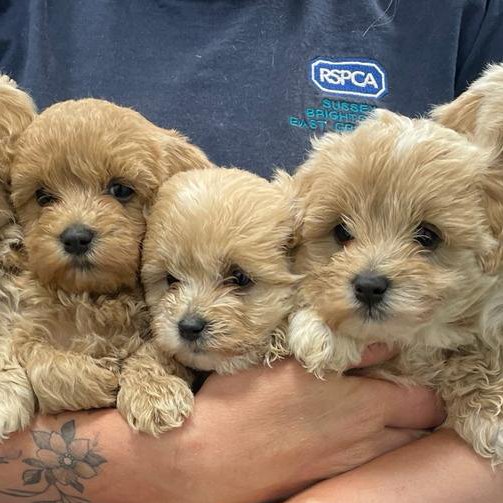
Even one accidental mating can result in a large number of puppies needing homes.
Neutering can help reduce the risk of:
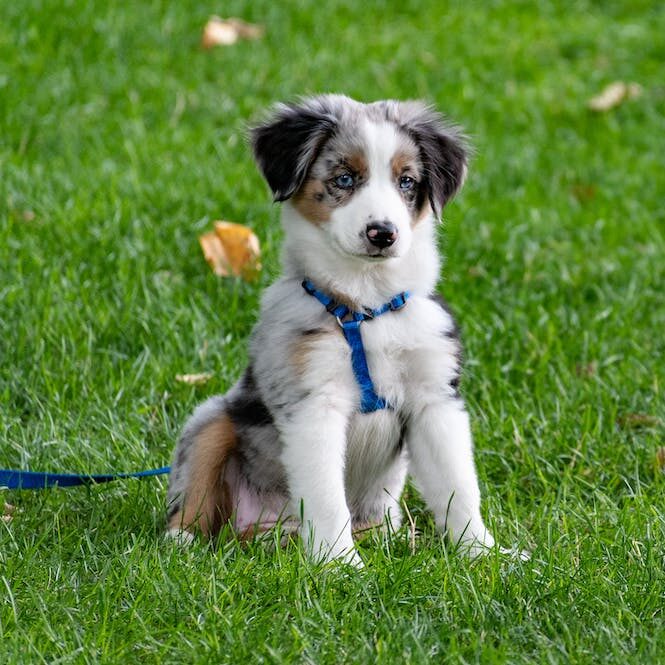
In some dogs, neutering may help reduce:
However, neutering is not a guaranteed solution for behavioural problems, and training and management remain important.
The best age for neutering varies depending on:
Veterinary advice is important, particularly for larger breeds where timing can affect development.
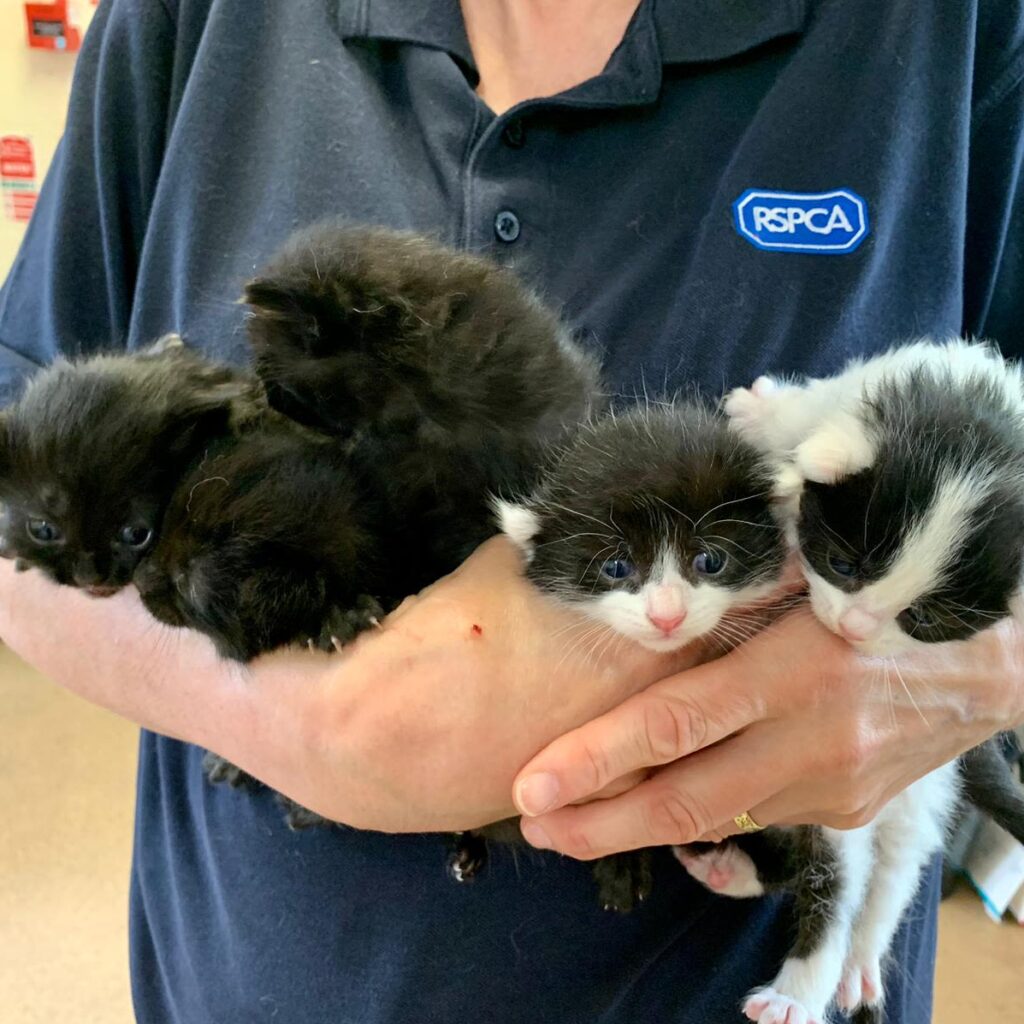
Cats can reproduce from a very young age, and one unneutered pair can contribute to a large number of kittens over time.
Thousands of unwanted cats and kittens enter rescue centres every year in the UK.
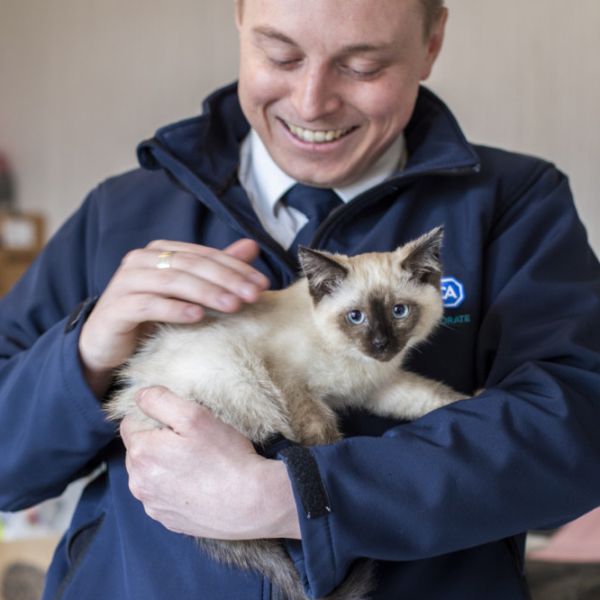
Neutered cats are often:
Male cats are less likely to urine spray, while females no longer come into season and call for mates.
Neutering can reduce the risk of:
Cats are commonly neutered from around four months of age, before sexual maturity.
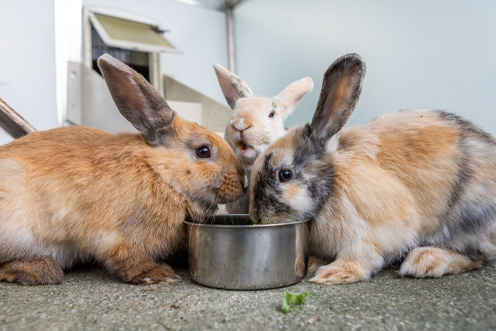
Neutering is particularly important for rabbits and is strongly recommended for both males and females.
Rabbits breed very quickly, and accidental litters are common.
Female rabbits have an extremely high risk of developing uterine cancer if left unspayed, particularly as they age.
Neutered rabbits are generally:
Hormonal behaviours can lead to:
Neutering often helps rabbits live more relaxed and social lives.
Animal rescues and charities across the UK face ongoing pressure from unwanted litters and abandoned animals.
Neutering helps owners avoid unexpected pregnancies and the financial and welfare responsibilities that come with them.
While every animal is different, neutering can contribute to improved long-term welfare and quality of life.
The decision and timing for neutering should always be discussed with a veterinary professional, who can advise based on:
After surgery, pets require:
Neutering is a routine veterinary procedure and remains one of the most effective ways to support animal welfare and responsible pet ownership in the UK.
Cookies & Privacy Policy