Is Microchipping a Legal Requirement?
Dogs
In the UK, all dogs must be microchipped and registered on an approved database by the time they are 8 weeks old. The keeper’s contact details must be kept up to date.
Cats
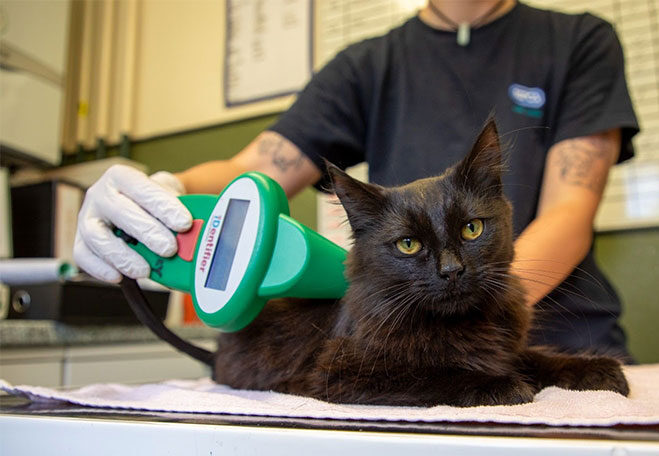
In England, it is a legal requirement for pet cats to be microchipped before they are 20 weeks old and for the keeper’s details to be registered and kept up to date.
Rabbits
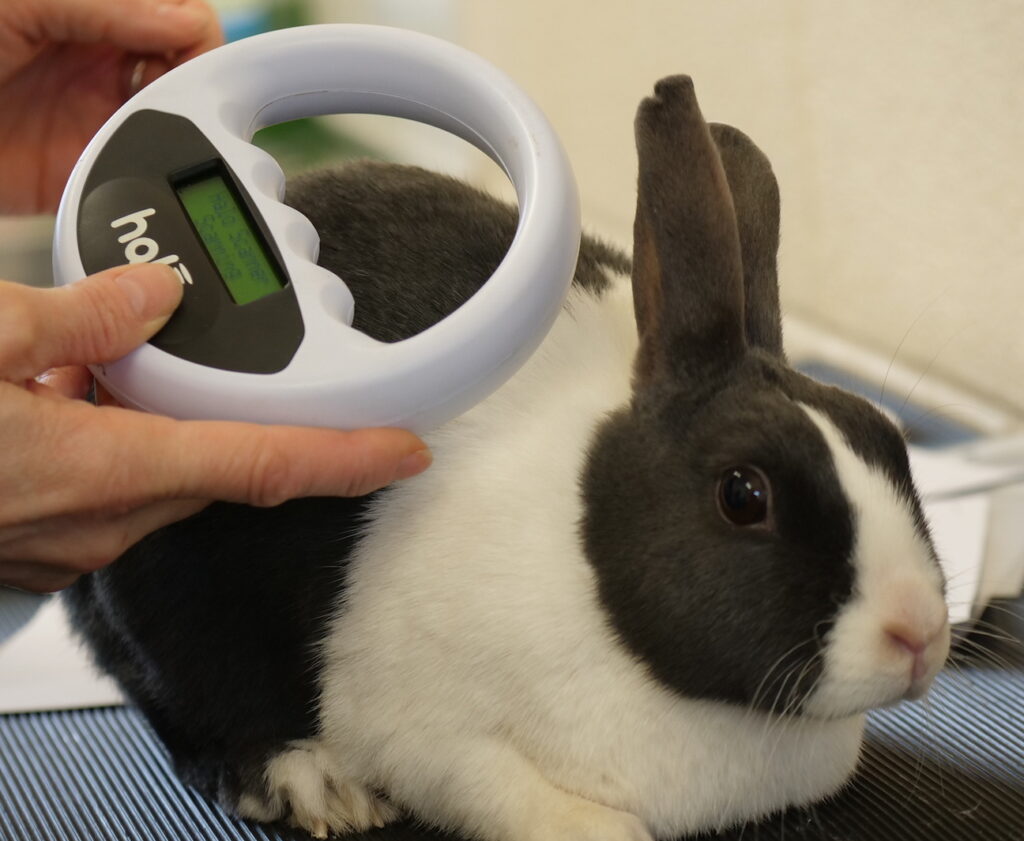
Microchipping rabbits is not currently a legal requirement, but it is strongly recommended, particularly for rabbits that have access to gardens or outdoor runs
What is a microchip?
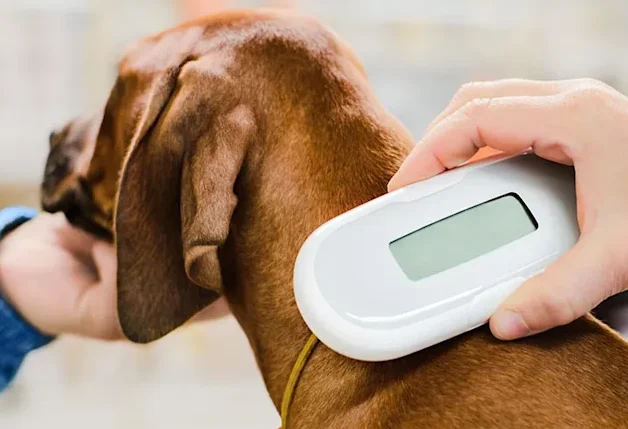
A microchip is a tiny electronic chip, about the size of a grain of rice, implanted under the skin between the shoulder blades. The procedure is quick and similar to receiving a vaccination.
The chip contains a unique identification number that can be read using a scanner. It does not:
- Track your pet’s location
- Contain GPS
- Store medical records
Instead, the chip number links to your contact details held on a pet microchip database.
Why is microchipping important?
If your pet becomes lost, any veterinary practice, animal rescue centre, local authority dog warden, or animal welfare organisation can scan the microchip and contact you.
Benefits include:
- Permanent identification that cannot fall off like a collar
- Increased chance of being reunited with a lost pet
- Proof of ownership
- Required for pet travel documentation
- Helps animal welfare organisations return strays to their owners quickly
Common Misconceptions
❌ “My pet wears a collar, so they don’t need a microchip.”
- Collars can break, slip off or be removed.
❌ “A microchip tracks my pet.”
- Microchips are identification devices, not tracking devices.
❌ “Once my pet is chipped, I’m done.”
- You must update your details whenever you move house or change phone numbers.
How much does it cost?
Typical costs range from £10–£30 depending on the provider. Many charities, veterinary practices and local councils run discounted or free microchipping events throughout the year.
Advice for pet owners
- Check your pet’s microchip details annually.
- Update your records immediately if you move or change phone numbers.
- Ask your vet to scan the chip during routine health checks to ensure it is still readable.
- Keep a collar and identification tag on dogs as well as having them microchipped.