
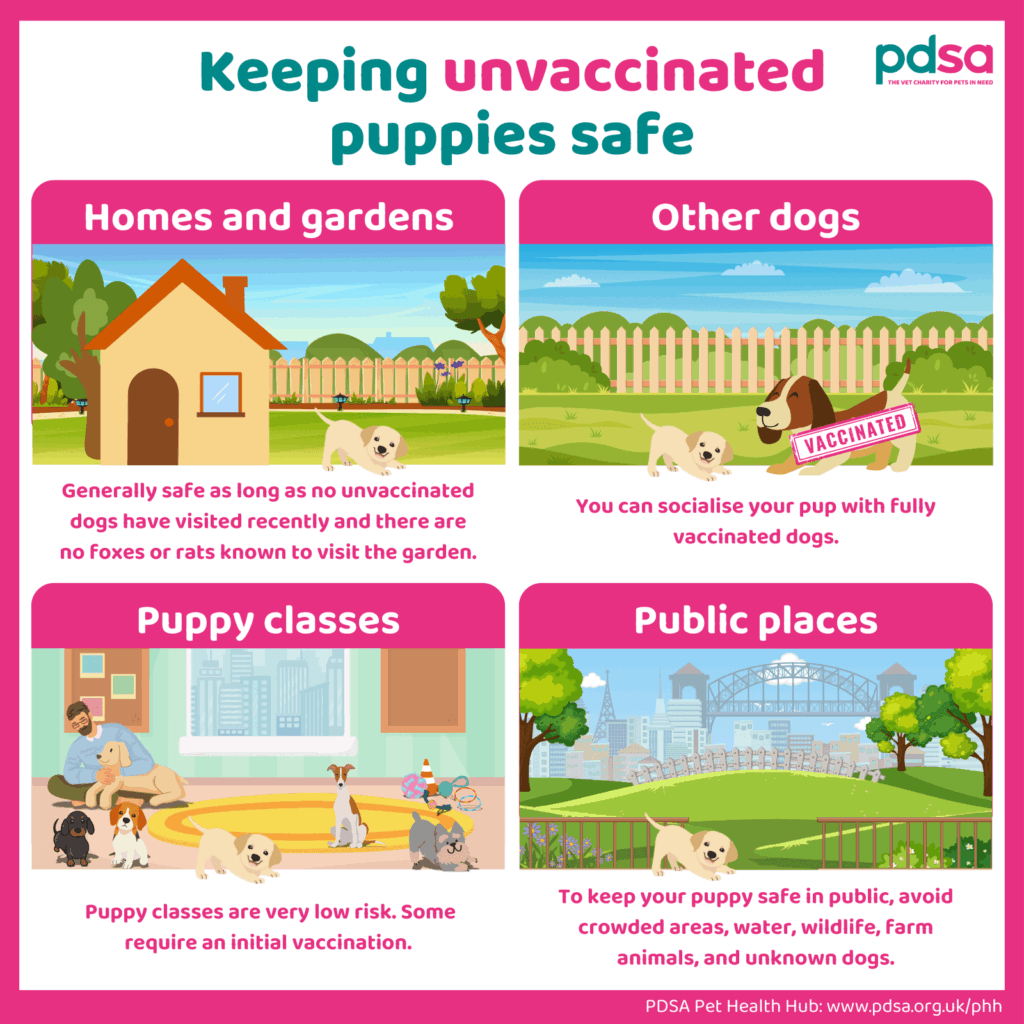
Vaccinations are one of the most important ways to protect pets from serious and potentially fatal diseases. In the UK, many infectious diseases are still present and can spread quickly between animals, especially in rescue environments, boarding facilities, parks and multi-pet households. Vaccinating pets not only protects the individual animal but also helps reduce the spread of disease within the wider pet population.
Dogs
Vaccinations help protect dogs against several highly contagious and dangerous illnesses, including:
- Parvovirus – a severe virus causing vomiting, diarrhoea and dehydration, particularly dangerous for puppies.
- Distemper – affects the respiratory, gastrointestinal and nervous systems and is often fatal.
- Leptospirosis – a bacterial disease spread through rat urine and contaminated water; it can also infect humans.
- Canine Hepatitis – affects the liver and other organs.
- Kennel Cough – often recommended for dogs who socialise, attend kennels, daycare or training classes.
Why Dog Vaccinations Matter
- Puppies are especially vulnerable before completing their vaccination course.
- Some diseases survive in the environment for months.
- Treatment for preventable diseases can be expensive and not always successful.
- Many boarding kennels, daycare facilities and groomers require proof of vaccination.
Dogs usually receive:
- An initial puppy course.
- A booster vaccination one year later.
- Regular boosters as advised by the vet.

Cats
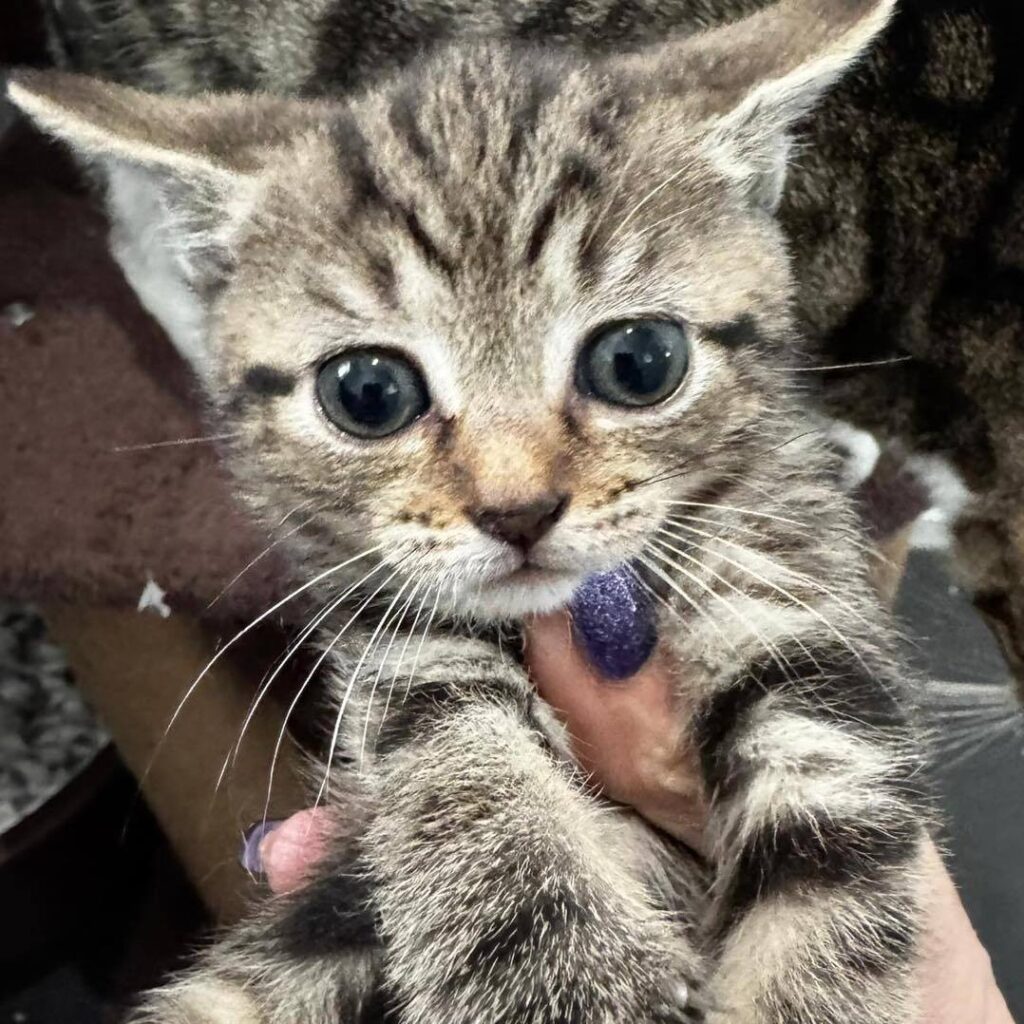
Core vaccinations for cats in the UK protect against:
- Feline Panleukopenia (Feline Parvovirus) – a highly infectious and often fatal disease.
- Cat Flu – caused mainly by herpesvirus and calicivirus; can lead to long-term respiratory issues.
- Feline Leukaemia Virus (FeLV) – a serious virus that weakens the immune system and can cause cancers.
Why Cat Vaccinations Matter
- Indoor cats can still be exposed through owners’ clothing, visitors or escaped pets.
- Cat flu can leave lifelong health complications.
- Kittens and elderly cats are particularly at risk.
- Vaccination helps protect vulnerable rescue and community cat populations.
Cats generally require:
- A kitten vaccination course.
- A booster at one year old.
- Ongoing boosters depending on lifestyle and veterinary advice.
Rabbits
Rabbit vaccinations are extremely important in the UK because two major diseases are widespread and often fatal:
- Myxomatosis – spread by fleas, flies and direct contact; causes severe swelling and suffering.
- Rabbit Viral Haemorrhagic Disease (RVHD1 and RVHD2) – highly contagious viruses that can cause sudden death, sometimes with no warning signs.
Why rabbit vaccinations matter
- Indoor rabbits are still at risk because insects can enter homes.
- These diseases are common across the UK.
- RVHD can survive in the environment and be carried on shoes, clothing and hay.
- Vaccination significantly reduces the risk of severe illness and death.
Rabbits usually need:
- An initial vaccination course.
- Annual boosters, though some vets may recommend additional protection depending on local risk.

Additional Benefits of Vaccination
Regular Health Checks
Vaccination appointments also allow vets to:
- Monitor weight and body condition.
- Check teeth, ears, skin and heart health.
- Spot problems early before they become serious.
Vulnerable Animals
Vaccinated pets help reduce outbreaks that can affect:
- Young animals.
- Elderly pets.
- Rescue animals.
- Pets with weakened immune systems.
Saving Long-Term Costs
Preventing disease is often far less expensive — and far kinder — than treating severe illness later.
IMPORTANT REMINDER
Vaccinations should always be discussed with a veterinary professional, as schedules may vary depending on:
- Age.
- Health conditions.
- Lifestyle.
- Travel.
- Local disease risk.
Keeping vaccinations up to date is a simple but vital part of responsible pet ownership and helps pets live longer, healthier lives.