
Importance of Flea and Worm Treatments for Dogs and Cats in the UK
Flea and worm prevention is an essential part of responsible pet ownership in the UK. Parasites are extremely common and can affect pets of all ages, including indoor animals. Regular preventative treatment helps protect pets from discomfort, illness and the spread of disease.
Fleas
Fleas are one of the most common parasites seen in dogs and cats in the UK. Even pets that rarely go outside can pick up fleas from:
- Other animals.
- Homes and gardens.
- Visitors.
- Wildlife.
- Owners’ clothing or shoes.
Why Fleas are a Problem
Fleas are more than just an irritation. They can cause:
- Severe itching and skin irritation.
- Hair loss and sores from scratching.
- Allergic reactions known as flea allergy dermatitis.
- Anaemia in young or small animals from blood loss.
- Transmission of tapeworms.
A single flea can quickly become a major infestation, as fleas lay eggs in carpets, furniture and bedding. Often, pets only carry a small percentage of the fleas present in the home.

Signs of Fleas
- Scratching or biting at the skin.
- Hair loss, especially near the tail base.
- Small black specks (“flea dirt”).
- Restlessness or overgrooming.
Importance of Prevention
Regular flea prevention:
- Protects pets from discomfort and skin disease.
- Helps prevent home infestations.
- Reduces the risk of parasites spreading to other animals.
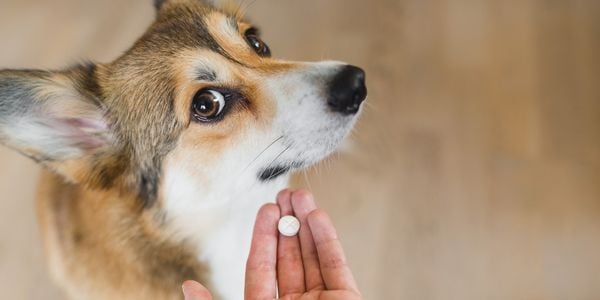
Worms
Dogs and cats in the UK can commonly be affected by several types of worms, including:
- Roundworms.
- Tapeworms.
- Hookworms.
- Lungworm (particularly in dogs).
- before or shortly after birth.
How pets catch worms
Pets may become infected through:
- Fleas.
- Hunting wildlife.
- Eating raw meat or scavenging.
- Contact with contaminated soil or faeces.
- From their mother
Why worms are dangerous
Worm infestations can cause:
- Weight loss.
- Vomiting or diarrhoea.
- Poor coat condition.
- Pot-bellied appearance in puppies and kittens.
- Breathing problems with lungworm.
- Serious illness or death in severe cases.
Some worms can also infect humans, particularly children, making parasite control important for public health as well.
Lungworm in dogs
Lungworm is increasingly seen across parts of the UK and can be life-threatening. Dogs may become infected by eating slugs, snails or contaminated grass and toys.
Symptoms may include:
- Coughing.
- Breathing difficulties.
- Bleeding problems.
- Tiredness or collapse.
Not all worming products protect against lungworm, so veterinary advice is important.

Why Regular Treatment Matters
Prevention is easier than treatment
Many pets show few signs until infestations become severe. Preventative treatment helps stop problems before they start.
Indoor pets are still at risk
Indoor cats and dogs are not completely protected. Fleas and worm eggs can still be brought into the home.
Protecting the household
Some parasites can spread to people, especially:
- Young children.
- Elderly people.
- Pregnant women.
- Those with weakened immune systems.
Supporting overall health
Routine parasite prevention helps pets stay:
- Comfortable.
- Healthy.
- Active.
- Free from avoidable illness.
Treatment Advice
The best flea and worming plan depends on:
- Species.
- Age.
- Lifestyle.
- Hunting behaviour.
- Travel.
- Local parasite risks.
Treatments may include:
- Spot-on treatments.
- Tablets.
- Chews.
- Injections.
- Sprays or household treatments.
Not all products are equally effective, and some over-the-counter products may not protect against all parasites.
Pets should always receive treatments suitable for their species and weight. Dog flea products containing permethrin are highly toxic to cats and should never be used on them.
A veterinary professional can advise on the safest and most effective parasite prevention programme for each individual pet.