
Positive training is a kind, reward-based approach that teaches pets what you want them to do by rewarding desirable behaviours. It helps build trust, strengthens the bond between pets and their owners, and can make learning enjoyable for both.
What is Positive Training?
Positive training focuses on rewarding behaviours you want to see more of, rather than punishing unwanted behaviours. Rewards can include:
- Tasty treats
- Praise and affection
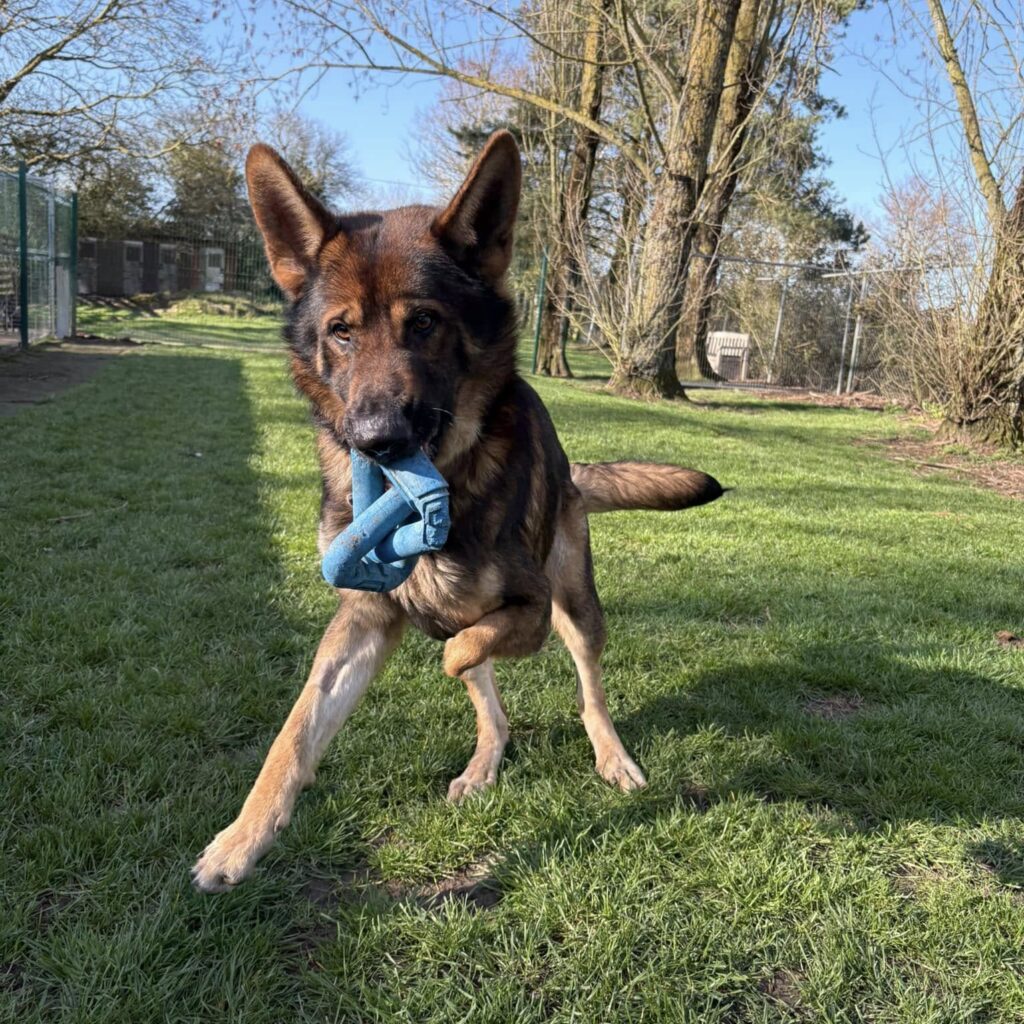
- Toys and play
- Access to something the pet enjoys (such as going for a walk)
When a pet receives a reward for a behaviour, they are more likely to repeat it in the future.

Why Use Positive Training?
- Builds Trust
- Pets learn that their owner is predictable, safe and rewarding to be around.
- Improves Learning
- Animals learn more effectively when they are motivated and enjoying the training process.
- Strengthens Your Bond
- Training becomes a fun activity that enhances the relationship between you and your pet.
- Supports Welfare
- Reward-based methods avoid the fear, anxiety and stress that punishment can cause.
- Encourages Good Behaviour
- Pets learn what to do rather than simply being punished for what not to do.
Tips for Successful Positive Training
Be Consistent
- Use the same cues and rules every time. If one family member allows a behaviour and another doesn’t, pets can become confused.
Reward Immediately
- Give the reward as soon as your pet performs the desired behaviour so they can make the connection.
Keep Sessions Short
- Most pets learn best in short, frequent sessions of 5–10 minutes.
Start Simple
- Begin in a quiet environment with few distractions before progressing to more challenging situations.
End on a Positive Note
- Finish training sessions with a success so your pet remains enthusiastic about learning.

Common Behaviours You Can Teach
Dogs
- Sit
- Down
- Stay
- Recall (coming when called)
- Walking nicely on a lead
- Settling calmly

Cats
- Coming when called
- Entering a carrier willingly
- Using scratching posts
- Sitting on cue
Rabbits
- Coming when called
- Using a litter tray
- Entering a carrier
- Participating in handling and health checks
Avoid Punishment-Based Training
Methods such as shouting, physical punishment, shock collars, spray collars or intimidating techniques can:
Cause fear and anxiety
Damage the human-animal bond
Increase behavioural problems
Suppress warning signals, potentially increasing the risk of bites or aggression
Modern animal welfare organisations and behaviour professionals recommend reward-based training methods.
Training is for Every Age
Pets are never too old to learn. Whether you have a young puppy, a newly adopted cat, a rabbit, or an older pet, positive training can help improve communication, confidence and behaviour.
Remember
Training is not about controlling your pet—it’s about teaching, communicating and building a positive relationship. Patience, consistency and rewards will help your pet succeed while keeping training enjoyable for everyone involved.
Reward the behaviours you like, manage the behaviours you don’t, and celebrate small successes along the way. 🐾